

CONDITIONS


NECK PAIN
Many patients visit us with pain or discomfort in areas below the neck. What they often don’t realize is that the source may actually stem from the top of the spine.
When the atlas—the top vertebra—shifts out of alignment, it can cause a chain reaction throughout the body. This often leads to postural imbalances like a tilted head, uneven shoulders or hips, and even a short leg.
By gently realigning the atlas, we help restore balance to the entire structure. This also relieves pressure on the brainstem, improving posture and promoting lasting relief.
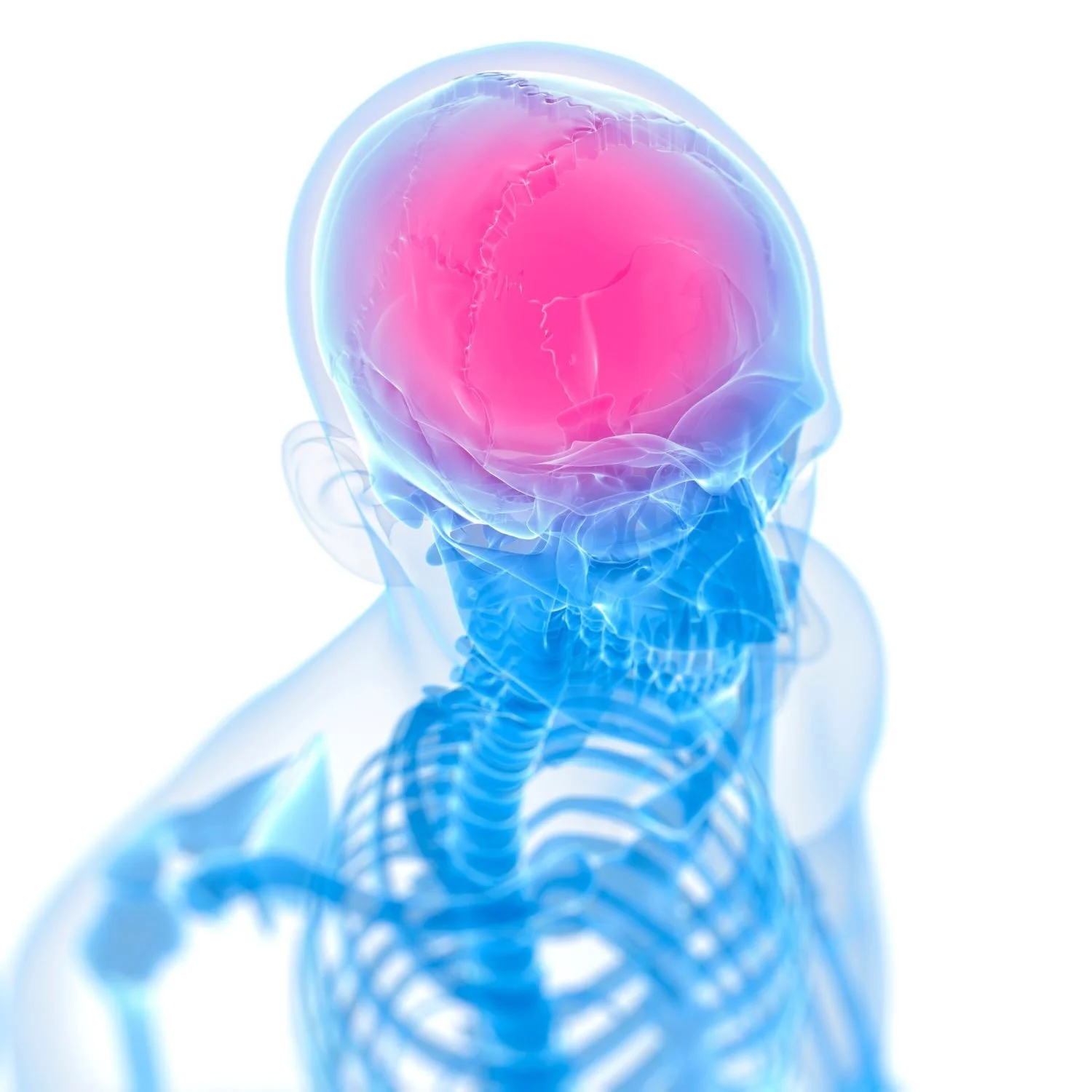
HEADACHES & MIGRAINES
Headaches and migraines aren’t normal —they’re signals that something’s off in the body. In many cases, they point to craniocervical dysfunction, or misalignment where the neck meets the skull. This area includes vital structures like ligaments, muscles, and connective tissue that help keep the atlas vertebra stable.
When these supporting structures are injured, they can become painful and lose their ability to keep the atlas in proper alignment. This instability can lead to inflammation, disrupted movement, and even altered blood or cerebrospinal fluid flow to and from the brain.
These changes can trigger a wide range of symptoms—beyond headaches—including neck and back pain, migraines, dizziness, brain fog, fatigue, nausea, numbness, and more. Addressing craniocervical dysfunction at the source often leads to meaningful, lasting relief.

TMJ & FACIAL PAIN
The Link Between the Atlas and TMJ Pain
The atlas (C1 vertebra) and upper cervical spine play a vital role in supporting the head and maintaining proper jaw alignment. When the atlas is misaligned, it can cause the head to tilt and shift, leading to uneven jaw movement and extra stress on the temporomandibular joint (TMJ). This often results in jaw pain, clicking, or even locking.
Nerve and Muscle Involvement
The nerves controlling facial and jaw muscles begin in the upper neck. When there's dysfunction in this area, those nerves can become irritated, leading to referred pain in the jaw, face, or head. Misalignment can also cause tension and spasms in nearby muscles, contributing to clenching, grinding, and overall discomfort in the TMJ.
A Hidden Source of Pain
Neck issues are often overlooked in TMJ cases, but restrictions in the upper cervical spine can affect jaw mobility and posture. Misalignment can trigger pain that radiates to the jaw, face, and ears, making it easy to misattribute the symptoms. By correcting atlas alignment, we address a potential root cause of persistent TMJ and facial pain.

VERTIGO & DIZZINESS
Struggling with vertigo or chronic dizziness can make even simple daily tasks feel overwhelming. These symptoms often originate from dysfunction in the upper cervical spine—specifically the atlas.
When the atlas is misaligned, it can disrupt communication between the brain, inner ear, and body, leading to issues with balance and spatial orientation. By gently realigning the atlas, we help restore proper nervous system function and relieve the pressure contributing to vertigo and dizziness.
If you've tried other treatments with little success, this gentle and targeted approach could be the missing piece in your journey to lasting relief.
OTHER CONDITIONS
-
How Atlas Misalignment May Contribute to Trigeminal Neuralgia
Misalignment of the atlas (C1) and craniocervical junction (CCJ) can impact the trigeminal nerve through several mechanisms:
Neural Compression: The atlas lies close to the brainstem, where the trigeminal nerve originates. Misalignment may irritate or compress this area, triggering nerve pain.
CSF Disruption: Altered cerebrospinal fluid flow can increase pressure or allow buildup of irritants, both of which may affect cranial nerves like the trigeminal.
Tension on the Brainstem: Misalignment can create mechanical stress on the dura mater and brainstem, potentially disrupting normal nerve signaling and increasing pain sensitivity.
It is important to note that TN can be caused by nerve irritation originating from the face or inside the skull. In these cases we are unable to help. This is why we require a consultation and exam before proceding with treatment.
-
What is Cerebellar Tonsillar Ectopia (CTE)?
CTE occurs when the cerebellar tonsils shift downward through the foramen magnum (the opening at the base of the skull). This crowding at the craniocervical junction (CCJ) can compress the brainstem, restrict cerebrospinal fluid (CSF) flow, and increase pressure in the brain. Common symptoms include occipital headaches, dizziness, neck pain, tingling, and sleep disturbances.
Understanding Chiari Malformations
Chiari malformations are structural issues in the cerebellum that also involve herniation through the foramen magnum, often more severe than CTE. Types include:
Chiari 0 / 0.5: Minimal or no tonsillar herniation, but patients still experience symptoms due to CSF disruption.
Chiari I: ≥5 mm tonsillar descent with symptoms like headaches, balance issues, and sometimes syringomyelia.
Chiari II–IV: More serious forms often involving the brainstem and spinal cord, usually diagnosed in infancy. (Note: We do not treat Chiari II–IV.)
How Atlas Orthogonal Can Help
Misalignment of the atlas (C1) and axis (C2) can worsen crowding in the CCJ and aggravate symptoms. While more research is needed, studies suggest realigning these structures may improve symptoms in some patients with CTE or Chiari I. We offer a gentle, non-invasive approach and require an MRI and radiology report to ensure your care is safe and appropriate.
-
How Whiplash and Concussions Impact the Upper Neck
Whiplash and concussions often affect the craniocervical junction (CCJ), where the skull meets the top of the spine (C0-C2). This area plays a vital role in head movement and neurological function.
Whiplash Injuries:
Rapid back-and-forth neck motion (like in car accidents) can overstretch ligaments, misalign joints, and strain neck muscles. This leads to instability, headaches, dizziness, and nerve irritation due to pressure on sensitive structures in the upper neck.Concussion-Related Strain:
Though concussions primarily affect brain function, the neck often absorbs much of the biomechanical force. Misalignments in the CCJ can impair cerebrospinal fluid (CSF) flow and irritate the brainstem or upper cervical nerves, contributing to symptoms like brain fog, vertigo, and fatigue.Why It Matters:
Both injuries can disrupt the delicate balance of the CCJ, leading to ongoing neurological and musculoskeletal issues. Early evaluation and targeted care—such as chiropractic adjustments and muscle rehab—are essential for proper healing and long-term relief. -
How Atlas Misalignment May Contribute to Meniere’s Symptoms
The atlas (C1) supports the skull and influences key systems related to balance and hearing. When misaligned, it can impact inner ear function in several ways:
Blood Flow Disruption: Misalignment may restrict blood flow to the inner ear, affecting fluid regulation and balance.
CSF Congestion: It can impair cerebrospinal fluid (CSF) flow, leading to pressure buildup that disrupts balance and hearing signals.
Nerve Dysfunction: Misalignment can irritate nerves connected to balance and the autonomic nervous system, triggering symptoms like dizziness or tinnitus.
Fluid & Drainage Issues: It may affect Eustachian tube function and lymphatic drainage, causing fluid retention and increased inner ear pressure.
This complex interaction highlights how upper cervical care may offer relief for patients with Meniere’s symptoms.
WHAT OUR CUSTOMERS SAY
-
![A man with a beard and short hair wearing a dark blazer, white shirt, and striped tie, smiling in front of a gray background, with a Google logo overlay.]()
Wow, I’ve never heard of “upper cervical” chiropractic until meeting this doctor. His precise approach using his X-rays and state of the art adjusting machine gave me relief that traditional chiropractic could not. No twisting, cracking or popping and the results for me personally have been incredible. After dealing with migraines and low back pain the past 5 years, nothing had fixed me. I thank god every day for this doctor. He is extremely humble, professional and is a wealth of knowledge when it comes to understanding the neurology of the body. I reccomend this doctor to anyone who has seen all of the doctors with no answers!
Robert Bender
-
![Close-up of a smiling woman with curly hair, partially obscured by a Google logo.]()
I have been in so much pain from TMJ. Sought help from dentists, oral-facial pain specialists, paid for a custom mouth piece; nothing worked. After one visit I felt so much relief! The pain was GONE!! I’m still a little sore, but my quality of life has been restored! I can’t recommend Zachary Blakeslee highly enough!! Go here FIRST!!
Nancy Matthews
-
![A woman with shoulder-length hair smiling, wearing a striped shirt, standing outdoors in front of a brick wall with yellow flowers, with a Google logo overlapping the bottom right of the image.]()
I am so happy to have found Dr Blakeslee! I live in Florida and started Atlas Orthogonal treatment there, and I’m spending the summer in Erie Pennsylvania! Dr Blakeslee is awesome and I would highly recommend him to everyone!
Monika Kies
-
![A person with a mustache smiling, with a Google logo partially visible in front of them.]()
I’m from Florida and my wife and I will spend the whole summer here in PA in our summer cottage. I’m in a maintenance schedule with my Chiropractor in Florida but spending 4 months in PA I knew I had to find one Chiropractor that does upper cervical adjustments and I am glad I did. Dr Blakeslee was wonderful in my first
Mario Irigoyen
-
![]()
I personally know Dr. Blakeslee and have heard many great testimonies from all of the patients he has helped. His atlas orthogonal is such a great instrument that is rarely seen in these more rural areas— typically you’d have to travel to a big city
Corey Henderson
-
![Google and Google Pay icons on a plain background.]()
Dr. Blakeslee was excellent with handling me as a patient and my treatment. He was very precise and explained exactly what to expect before, during, and after treatment. I would recommend him to anyone who suffers with any conditions that affect their upper neck and/or head.
Phoebe Sturey
-
![Green circle with white letter 'J' and overlapping Google logo]()
My Wife was haveing very bad vertigo for about 4 years. No one could figure it out. No one would listen. Then i found Dr.Blakeslee. He listened and has helped my wife so much. He is Great at what he does!!!!! Definitely recommend!!
Jay Bemis
-
![Google Play Services icon with a large green circle containing a white 'G' and a small Google logo.]()
What can I say , I was a non believer when it came to chiropractors. Until my neck was knocked out of place . I chose to go to Blakeslee's and I made the right choice, he is a professional with compassion, he's place is two thumbs up or 5 stars.Make the right choice Blakelee Chiropractic
Gary
-
![Green circle with a white letter 'M' and a Google logo overlay.]()
I had headaches/neck pain/acne for many years prior to going to Dr. Blakeslee. After a couple of appointments, my headaches & acne has cleared up tremendously. I am also able to think more clearly (never knew I had some brain fog) but can focus/think clearly than ever before. I HIGHLY recommend getting checked out by Dr. Blakeslee!
Mackenzie B


